PILANDESマット・セッションでは何が起きているのか? • What Happens in a PILANDES Mat Session?
Jul 17, 2026[Original English below]
(PILANDESマット・コース通信 — Part VIII)
PILANDESは、進行中の作品だ。
新しいアイデアは、ただ観ているだけで生まれることが多い......
それが今日、ロールオーバーで起きた。
***
まず自宅で試してみた——無理だった。両足を頭の上を越えて、後ろの床に触れさせるはずが、つま先が床に届かない! 私はPILANDESインストラクターではないし、動きを実演すると、生徒たちはみんな私を見て笑っているのだと思う。それでいい。
コーチは、プレーヤーである必要はない。
コーチングは別のスキルセットであり、それこそ私が持っているものだ。私は観て、分析し、実験する——PILANDESのプレーヤーたちに新しいアイデアを渡し、彼らがそれを自分の練習に取り入れていく。
そして少しずつ、共に取り組むなかで、こうした新しいアイデアがPILANDES流の恒久的な特徴として立ち現れてくる。PILANDESマットのセッションに参加すると、ほかとは違う三つのことが際立つはずだ。
第一: エクササイズを、あなたと一緒に計画する
ロールアップの体勢に入るとき、私はしばしばプレーヤーたちを叱ってしまう。そわそわ、もぞもぞと動き、エクササイズにどう備えるかという明確なプランを持っていないからだ。
「あなたのプランを信じて、行きたいと望む場所へ運んでもらいなさい。」※
これは運動計画——運動感覚的にも、視覚的にも——を用いるということだ。動く前に、これから何をするかをリハーサルし、あとは姿勢運動システム(PMS)がそれを実現してくれると信頼する。
第二: 頭と脊椎を、姿勢的にキューイングする
これはPILANDESマット・クラスの重要な特徴だ——すべてのピラティスのエクササイズに、何らかの頭と脊椎へのキューイングが含まれる。これは、頭と脊椎の関係が姿勢メカニズムの——そして人間の行動全般の——組織化の原理であるというアレクサンダーの発見に沿っている。恐怖を感じると頭が後ろ下方へ引かれること、気づいたことはありませんか?
第三: ピラティスに、代わりのキューイングを
これを説明するために、まずロールオーバーに戻ろう......
***
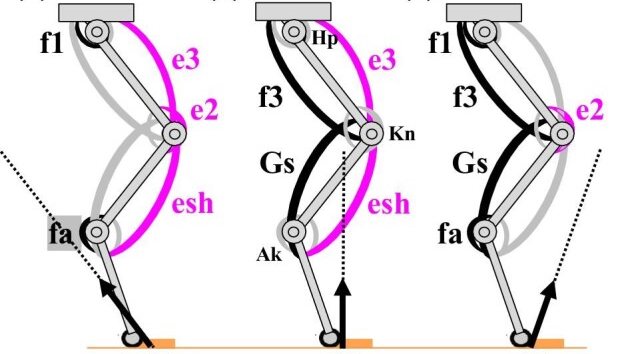
ロールオーバー——そして脚を使う多くのピラティスのエクササイズ——では、「脚は股関節から持ち上げる」と教えられることが多い。この指示は、あなたの脚がもつ二関節筋システムの、驚くほど美しい設計を無視している。後ろに三つのハムストリングス、前に一つの大腿四頭筋、側面から前後にかけて薄筋と縫工筋、そして下腿に腓腹筋。彼らは、効率という名のオーケストラの奏者たちだ。
この巧妙なシステムがもたらす一つの結果は、脚を動かすことを軽やかな喜びに変えることだ。ただし、この効果を得るには、二関節筋を余すことなく展開させる必要がある——力学的にも、神経学的にも理由がある。✝
これが、私の生徒たちには起きていなかった——代わりに、二つの異なる選択肢が現れていた。
1. 膝を一つの向きに固定したまま、股関節で屈曲する。あるいは
2. ピラティスの「レッグスライド」を使い、膝を伸ばすことで脚の持ち上げを始める。
最も明白な選択肢——あなたの二関節性の脚の設計が促すもの——は、選択肢として現れてこなかった。
3. 膝と股関節を一緒に曲げて(二関節的な動作で)脚を持ち上げる。
私はクラスの前に立ち、この三つ目の選択肢について問いかけた。
「なぜやらないのか?」
アレクサンダーの世界では、股関節と膝を一緒に曲げることは、ほぼ「定石」だ。アレクサンダー自身も、「機械的に有利な姿勢」についてしばしば書いている。現代の言葉で言えば、これは、屈曲のために二関節筋システムを働かせながら、胴体を長く伸ばすことを意味する。椅子から立ち上がり、また座る——これはFMがレッスンで用いた主要な動きの形だった——とき、私たちは足首・膝・股関節を協調させて曲げ、動きの効率を最大化する。
この「アレクサンダーからの取り入れ」をもとに——続く一時間のセッションで、私たちは、この三つ目の選択肢を加えることでピラティスの理解を根底から変えた。この選択肢は、なぜかこのエクササイズのキューイングから抜け落ちている。
だからこそ、私はPILANDESマット・セッションの三つ目の特徴をこう名づけた。
第三: ピラティスに、代わりのキューイングを
PILANDESでは、より易しいバリエーションがありながら標準のキューとして抜け落ちている、鉄壁のように固まったピラティスのキューのリストが、少しずつ増えている——理由はわからない。もとのピラティスのキューが間違っているというのではない。むしろ、しばしば不必要に難しかったり、複雑だったりするのだ。
言い換えれば、いくつかの筋肉が一緒に働けば(股関節と膝の屈筋群を組み合わせれば)よりよい仕事をするのに、なぜ一つの筋肉群(股関節屈筋群)に力点を置きすぎるのか?
Pilatesの実践者は、特定の筋肉群を肥大させようとするウエイトリフターではない——ピラティスの哲学の全体的な方向性は、特定の筋肉を太くすることではなく、統合された、ホリスティックな筋の発達へと向かっている。だからPILANDESの視点では、統合の機会が訪れたなら、私たちはそれを掴む。
これが、今日ロールオーバーで起きたことだ。
さて、現在のモジュールをゆっくりと締めくくりつつ、私たちはモジュール2の、よりダイナミックな動きへと目を向けている。ぜひ参加を検討してください。
いつでも無料でお申し込みいただけます。そのあと、あなたの状況について私と話す機会があります。お申し込みはこちら:
https://www.pilandes.jp/application
そして、PILANDESにいつ参加できるか、スケジュールをご確認ください:
次回:(PILANDESマット・コース通信 — Part IX)
乞うご期待。
※ 新しいPILANDESのエクササイズ「正座フォールド」を紹介したとき、この必要な準備について詳しく書いた。正座フォールド • Seiza Fold アレクサンダーの好きな言葉の一つは、シェイクスピアの『ハムレット』からの「覚悟がすべてだ」だ。
✝ 二関節筋システムがどのように働くかは、PILANDESマット・コースの一部である、数あるミニ・サイエンス・トークの一つだ。
***
[Original English]
What Happens in a PILANDES Mat Session?
(Reports from PILANDES Mat Course - Part VIII)
PILANDES is a work in progress.
Often, a new idea arises simply by watching...
That happened today with Roll Over.
***
I tried it at home first - impossible. I am supposed to take my feet over the top of my head to touch the floor behind it. I couldn't get my toes to the floor! I am not a PILANDES Instructor, and when I do demonstrate a movement, I think my students all have a giggle at my expense. I don't mind.
A coach does not need to be a player.
Coaching is a different skill set, and it's the one I have. I see, I analyse, I experiment - I give my PILANDES players new ideas they implement in their practice.
And slowly, as we work together, these new ideas emerge as permanent features of the PILANDES way. When you come to attend a PILANDES Mat session - three things will stand out as different:
FIRST: We Plan the Exercise With You
In getting into position for Roll Up, I often find myself scolding my players because they fidget, wiggle and have no clear plan of how to prepare themselves for the exercise.
"Trust your plan to deliver you - where you ask to be delivered." ※
This means utilising motor planning - both kinaesthetic and visual. Before moving, you rehearse what you are going to do, then trust your postural system (PMS) to deliver it.
SECOND: Posturally Cue Your Head/Spine
This is a key feature of a PILANDES Mat class - every Pilates exercise involves some kind of head/spinal cueing. This is in line with Alexander's discovery that the head/spine relationship is an organising principle of postural mechanisms, and in human behaviour in general. Haven't you noticed how fear tends to pull your head back and down?
THIRD: Alternate Pilates Cueing
To explain this one, let's first return to Roll Over...
***
In Roll Over - and many Pilates exercises involving the legs - it is often the case that you are told to lift the leg from the hips. This instruction ignores the extraordinarily beautiful design of the bi-articular muscle system of your legs: three Hamstrings at the back, one Quad at the front, Gracilis & Sartorius on the side/front-back and Gastrocnemius in the lower leg. They are players in an orchestra of efficiency.
One result of this ingenious system is to make moving your leg a light delight. However, you need full deployment of the bi-articular muscles to achieve this effect, for reasons both mechanical and neurological. ✝
This was not happening with my students - instead, two different options were appearing:
1. Flexing at the hip while the knee is continuously stabilised in one orientation; or
2. Using Pilates "Leg Slide" to initiate the lift of the leg by extending the knee.
The most obvious option - the one that your bi-articular leg design encourages - didn't present itself as an option:
3. Flex the knee and hips together (bi-articular action) to lift the leg.
I stood in front of the class and asked about this third option:
"Why not?"
In Alexander circles, bending hips and knees together is almost canonical. Alexander himself often wrote about "the position of mechanical advantage" which in modern terms involves lengthening your torso as you engage the bi-articular leg system for bending. In rising and sitting in a chair - which was the primary movement form FM utilised in his lessons - you bend ankles, knees and hips in concert to maximise the efficiency of the movement.
Based upon this "Alexander import" - over the next hour of the session we radicalised our understanding of Pilates by adding this third option which is inexplicably missing from the cueing of this exercise.
Which is why I named the third feature of a PILANDES Mat session:
THIRD - Alternate Pilates Cueing
In PILANDES, we have developed a growing list of iron-clad Pilates cues with easier variations that are missing as a standard - I don't know why. Not that the original Pilates cue is wrong; more often, it is unnecessarily difficult or complex.
In other words, why put too much emphasis on one muscle group (the hip flexors) when two working together (combined hip and knee flexors) do a better job?
Pilates are not weight-lifters trying to bulk up specific muscle groups - the whole thrust of the Pilates philosophy is towards integrated, holistic muscular development, not specific muscle bulking. Therefore, from the PILANDES viewpoint, when an opportunity for integration presents itself, we take it.
This is what happened today with Roll Over.
Now, as we are slowly wrapping up the current module, we are looking towards more dynamic movements in Module 2. Think about joining us.
You can apply anytime without a fee, then have an opportunity to talk with me about your situation. Here's the application:
https://www.pilandes.jp/application
Meanwhile, check the schedule to see when to attend PILANDES:
TOKYO schedule & course information
OSAKA schedule & course information
NEXT: Reports from PILANDES Mat Course - Part IX
Stay Tuned.
※ I wrote extensively about this necessary preparation when I introduced the new PILANDES exercise Seiza Fold. One of Alexander's favourite expressions, taken from Shakespeare's Hamlet, is "Readiness is all."
✝ How the bi-articular leg system works is one of the many mini-science talks which form part of the PILANDES Mat Course.
21通のPILANDES手紙
ジェレミー・チャンスより
Pilatesはあなたがすること。PILANDESはその方法
個人情報は厳重に管理し、第三者への提供は一切行いません。