
PILANDESはあなたという扉 • PILANDES is a Door Into You
Mar 09, 2026「変わるには、生涯の習慣に対抗するような活動が要求される。」
Change involves carrying out an activity against the habit of life.
— FM Alexander、ティーチング・アフォリズム、第11番
[Original English below]
アレクサンダーは上の言葉の中で「生涯の習慣」に触れている。
PILANDESでは、自分自身の生涯の習慣と出会う——そしてそれは、決して予想通りのものではない。
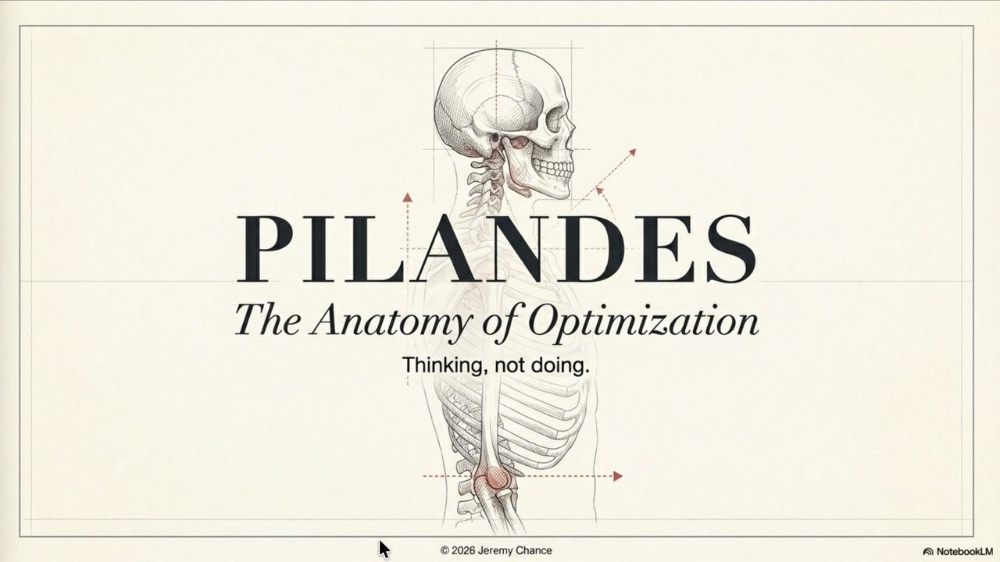
たとえば先週、銀座でのセッションのこと。一人の若い指導者に触れながら、Flamenco Joints(フラメンコ関節)(胸腰移行部)——脊椎におけるT12|L1の肋骨と下部背中の接合部——から、肋骨が姿勢的に上へ前へと動くよう促した。彼女はそれをうまく実現させた。
「今、どんな感じがしますか?」と私は聞いた。
彼女は微笑んでいた——明らかに心地よさを感じていた——でも不安そうにこう言った。「前に傾いている気がします。」
私は部屋にいる全員に問いかけた。「彼女は今、前に傾いていますか?」
「いいえ」と一斉に答えが返ってきた。「まっすぐ立っています。」
彼女の顔に、大きな驚きの表情が浮かんだ。こういう瞬間に、私はよく「友人にスマートフォンで写真を撮ってもらってください」とお願いする——自分の目で見て、自分の結論が間違っていたことを確かめるために。トライアルに来た際には、ぜひお申し付けください。
前傾についての彼女の結論には、二つの側面があった。第一の——感覚的な——側面は正しかった:彼女は確かに、普段の立ち方よりも前方へと動いていた。第二の——認知的な——側面は間違っていた:彼女は前に傾いていたのではなく、まっすぐだったのだ。これが、私たちが神話を作り上げる仕組みだ。
なぜ彼女にこんな神話が生まれたのか?
なぜなら、彼女の「生涯の習慣」として、立っているときはいつも後ろに傾いていた——しかしその体勢が当たり前になり、「まっすぐ立っている」という感覚的な考えになっていたからだ。
これが彼女の「生涯の習慣」の神話だった:まっすぐ立っているのではなく、後ろに傾いていたのだ。
後ろに傾いていたために、姿勢システムはその事実を中心に、すべてをそっと整え直していた。股関節が前方空間へとずれ、膝は後ろへとロックされて転倒を防ぎ、太ももの前面にある大腿四頭筋がこの新しい体勢を維持するために働き続けた。それぞれの適応は賢明だった——前の適応への完璧な応答として。しかし、このような立ち方を何時間も続けると、腰が痛くなり、脚が確実に疲れる——それは何かが間違っていたからではなく……
すべてが正確に正しく機能していたからだ。
姿勢システムを責めることはできない。これは後傾に対する完璧な応答だった。膝をロックし大腿四頭筋を働かせなければ——床に倒れていたことだろう。あなたの姿勢運動は、常にあなたの健康を心にかけている。
ただ、時として——私たちは姿勢運動を必要以上に懸命に働かせてしまう。
私のPILANDESタッチは、フラメンコ関節(T12|L1)から肋骨が前上方へと動くという自然な姿勢運動を取り戻すよう、彼女を促した。彼女がこのPILANDESの「方向づけ」に従うにつれ、股関節が彼女の真下へと戻り、脚と膝がそれまで担っていた余分な仕事をすぐに手放せるようになった。その立ち方がずっと楽に感じられたので、彼女は微笑んだ。
もちろん楽なはずだ。あなたはそのように立つよう設計されている——しかし「生涯の習慣」の中にいると、自分が何をしているのかさえ気づかなくなる。PILANDESでは、あなた自身の姿勢運動について学び、それがどのようにピラティスのエクササイズにより多くの喜びと自由をもたらすかを知ることができる。
PILANDESを初めて体験するとき、こんな不思議な新しい感覚体験が必ずある。あなた自身の犬の鼻が それに目覚めていくのだ。
しかし、一つだけ、いつでも変わらないことがある:
気持ちがよくなる。
ぜひ体験しに来てください。
次回:すべての幸せな筋動員は似ている
---
"Change involves carrying out an activity against the habit of life."
— FM Alexander, Teaching Aphorisms, #11
Alexander mentions "the habit of life" in the quote above.
In PILANDES you meet your habit of life — and it is never what you expected.
For example, in Ginza last week, I was using my touch to show one young educator how she could let her rib cage move posturally upwards and forwards from the Flamenco Joints: the ribcage-lower back junction between T12 | L1 in your spine. She successfully allowed that to happen.
"How do you feel now?" I asked her.
She was smiling — obviously it felt pleasant — but she worried: "I am leaning forward now."
I asked everyone in the room to look: "Is she leaning forward now?"
"No," came the collective answer, "she is standing straight."
A look of great surprise came into her face. It is at times like these that I often ask people to have a friend take a photo of them on their smartphone, so their eyes can see that their conclusion is wrong. Remember to ask if you come to a Trial.
Her conclusion about leaning forward had two parts. The first — sensory — was correct: she really was moving further forward from her normal stance. The second — cognitive — was wrong: she was not leaning forward, she was straight. This is how we create myths.
Why did she have this myth?
Because, in her "habit of life", whenever she was standing, she usually leaned back, but this positioning had come to feel normal. It had become her cognitive idea of "standing straight".
This was her "habit of life" myth: she was not standing straight, she was leaning back.
Because she was leaning back, her postural system had politely rearranged everything around that. Her hip joints shifted forward in space; her knees locked back to stop her falling; her quadriceps on the front of the thigh fired up to maintain this new positioning. Each adaptation was intelligent — a perfect response to the one before it. However, standing like this for hours can cause your back to ache and will certainly tire your legs — but not because anything went wrong…
Because everything went exactly right.
You can't blame your postural system for your aches and pains. It was responding perfectly to the wish to lean back. If it hadn't locked her knees and fired off her quadriceps — she would have fallen to the floor. Your postural movements always have your well-being at heart.
Just sometimes — we make them work unnecessarily hard.
My PILANDES touch invited her to restore the natural postural movement for her rib cage to move forward and up from the Flamenco Joints (T12 | L1). As she followed her PILANDES postural "direction", her hips came back underneath her, immediately allowing her to release the legs and knees from all the extra work they had been doing. She smiled because it felt so much easier to stand like that.
Of course it is easier. You are designed to stand that way — but within your "habit of life", you don't even realise what you are doing. In PILANDES you will learn all about your postural movements, and how they can bring more pleasure and freedom to your Pilates exercises.
When you first experience PILANDES you are bound to have these strange new sensory experiences. Your own dog's nose will wake up to it.
However, one thing will always be true:
It feels better.
Come and try it.
NEXT: All Happy Recruitments Are Alike
21通のPILANDES手紙
ジェレミー・チャンスより
Pilatesはあなたがすること。PILANDESはその方法
個人情報は厳重に管理し、第三者への提供は一切行いません。