さあ、立ち上がった——今度はどうやって降りる?• Now That You're Up - How Will You Get Down?
Jul 05, 2026[Original English below]
(PILANDESマット・コース通信 — Part V)
腕への興味は、今も尽きることがない。
できることだけではない。するべきではないことまで、だ。
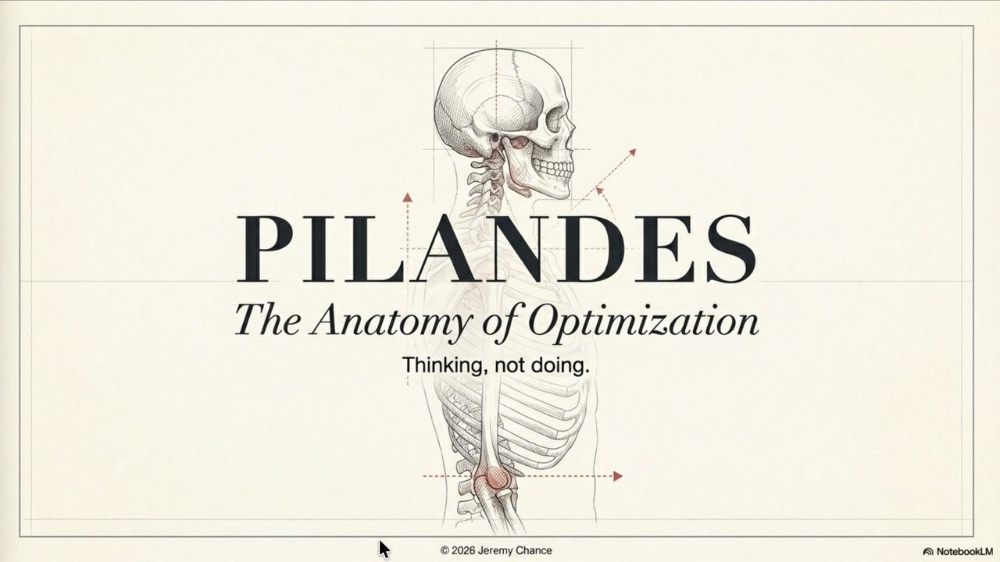
PILANDESでは、頭、上部脊椎、腕、そして肋骨を、その下で起きることに影響を与える重要な複合体として捉えている——あなたがまだ想像もできないような形で。単に腕だけの話ではない。腕がつながっているすべてのものと連動しているのだ。腕の筋肉は頭蓋骨の付け根まで、そして脊椎に沿って伸びている——首の多くの筋肉が、あなたの腕を動かしている。
猫がピラティスの起き上がり方を見下していることについては、以前どこかに書いた - キャットの言葉に耳を傾けよう(ニャーではなく) - でも、猫たちがどうやって降りるかについては、どうだろう?
猫たちはそれについて意見を持たない。でも、私にはある。
これほど頻繁に行われ、これほど重要であるにもかかわらず、この動きはピラティスのマットエクササイズのレパートリーに居場所を得ていない——それでいて、エクササイズを始める際の姿勢的な組織化のよし悪しを決定づけているのだ!ピラティスが筋肉の統合についてのものだとしたら、始まりから始めようではないか。
クラシック・ピラティスの実践の中で、降り方に最も近いところまで探求しているのはロールダウンだ。しかしそれでも、マットまでは連れて行ってくれない。誰もがロールダウンを行い——多くのセッションはそこから始まる——それでもロールダウンは、主流のピラティス指導において公式なマットエクササイズにすら数えられていない。個人的には、それをとても奇妙に感じる。
これは、見てみる価値があると思わないか?
新しいPILANDESマットエクササイズのロールアウトへ、ようこそ!※
でもその前に——この新しいエクササイズの狙いは何だろう?なぜ、これが必要なのか......
***
現在、東京で行っているPILANDESマットトレーニングの中で、受講生たちがマットに降りるときには、エクササイズを行うときほどの注意を払っていなかったことに気づいた。これは奇妙に思えた。
PILANDESの視点から見ると、エクササイズを行う前に自己(Self)をどう組織化するかが、そのエクササイズがもたらす喜びの感覚全体を大きく左右する要因となる。PILANDESの重要な目的のひとつは、あなたが実際にピラティスを楽しむこと——練習の最中も、そのあとも、強く心地よい体験を得ることだ。
マットに降りる動きがしばしば雑になる理由は、頭、首、腕、そして肋骨が、自分たちが先に降り始めなければならないと思い込んでいるからだ!脚にまだほとんど何も起きていないうちに、頭を落とし(牛関節)、肋骨を潰し(フラメンコ関節)、腕を先に下ろしてしまう(ウィング関節)人をよく見かける。
マットに近づくまで、この上半身のエリアには、やるべき仕事はない。
それなのに、まるで仕事があるかのように振る舞う。このパズル全体の鍵は、マットへ降りる動きを開始できる関節は——繰り返す、開始できるのは——股関節、膝、そして足首の関節だけだということだ。あまりにシンプルなのに、これを実践している人はごくわずかだ。
次にマットに横になるときは——頭、首、腕、そして肋骨を、休暇に送り出してあげよう。
降り方——マットダウン・エクササイズ
マットに降りるという決断に、最初に反応する関節が股関節であることを確認しよう。股関節でのわずかな屈曲から始める——頭と胴体全体を前方へ転がすように——それが膝の屈曲を引き起こし、あなたの足首もよろこんで続く。マットへと滑るように降りていく中で、PMSがあなたの腕に、最後のピボットでマットに着地するために必要な追加サポートの位置を伝えてくれる。
まだ、よくわからない?
トライアルに来て、この新しいPILANDESマットエクササイズを見せてもらおう。
次回:「ない」が多すぎると、ほどけない
乞うご期待。
※トライアルに来たときは、新しいPILANDESマットエクササイズのハンドアウトを、私に聞いてください。
***
[Original English]
Now That You're Up - How Will You Get Down?
(Reports from PILANDES Mat Course - Part V)
I continue to have a fascination with arms.
Not only what they can do, but also what they have no business doing.
PILANDES identifies the head, upper spine, arms and ribcage as a critical matrix that influences what happens below it in ways that you still cannot even imagine. It isn't just arms; it's arms in concert with everything they connect to. Arm muscles reach up to the base of the skull and along your spine - many muscles in the neck are operating your arms.
I've written elsewhere about a cat's disdain - "Listen to What the Cat Says - and it is Not Meow" - for the way a Pilates gets up off the mat, but how about how they get down?
Cats have no opinion about that, but I do.
Despite its frequency and importance, this movement hasn't gained a spot in the repertoire of Pilates Mat exercises - yet it determines how well you are posturally organised to commence your exercise! If Pilates is about muscular integration, then let's start at the start.
The closest we get to exploring how we get down in classical Pilates practice is Roll Down, but that still doesn't lead you to the mat. While everyone does Roll Down - many sessions begin with it - Roll Down is not even an official Mat exercise in mainstream Pilates instruction. Personally, I find that very strange.
Don't you think it merits looking at?
Welcome to another PILANDES rollout of a new Mat exercise! ※
But before I do that - what is the point of this new exercise? Why do we need it...
***
In the PILANDES Mat training currently running in Tokyo, I noticed that members did not take the same care in getting down to the mat as they do when performing an exercise. This struck me as odd.
From the PILANDES point of view, how you organise your Self BEFORE performing an exercise is a strong factor determining the overall sense of pleasure your exercise produces for you. A key aim of PILANDES is that you actually enjoy your Pilates - that you get strong, pleasurable experiences - both during and after your practice.
The reason that the movement down to the mat is often sloppy arises because the head, neck, arms and ribcage seem to believe that they have to start going down first! You see people dropping their heads (COW Joints), collapsing the rib cage (FLAMENCO Joints) and sending the arms down (WING Joints) long before much has happened in the legs.
Until you are close to the mat, this upper area of your body does not have a job.
And yet, it sure behaves as though it does. The key to the whole puzzle is that the only joints - repeat ONLY joints - that can initiate you moving down to the mat are the hips, knees and ankle joints. It's too simple, yet very few practice this.
Next time you go to lie on a mat - send your head, neck, arms and ribcage on a holiday.
HOW TO GET DOWN - Mat Down Exercise
Ensure that the first joints to respond to your decision to get down on the mat are your hips. You start with a slight flexing movement at the hips - rolling the entire head and torso forward - which then triggers your knees to flex, while your ankles happily follow. As you now glide down to the mat, PMS informs your arms where they need to be placed for additional support to make the final pivots to land on to the mat.
Still confused?
Come along to a Trial and be shown this new PILANDES Mat exercise.
NEXT: Too Many Nots Make a Knot
Stay Tuned.
※ When you come to a Trial, ask me for the new PILANDES Mat exercise handouts.
21通のPILANDES手紙
ジェレミー・チャンスより
Pilatesはあなたがすること。PILANDESはその方法
個人情報は厳重に管理し、第三者への提供は一切行いません。