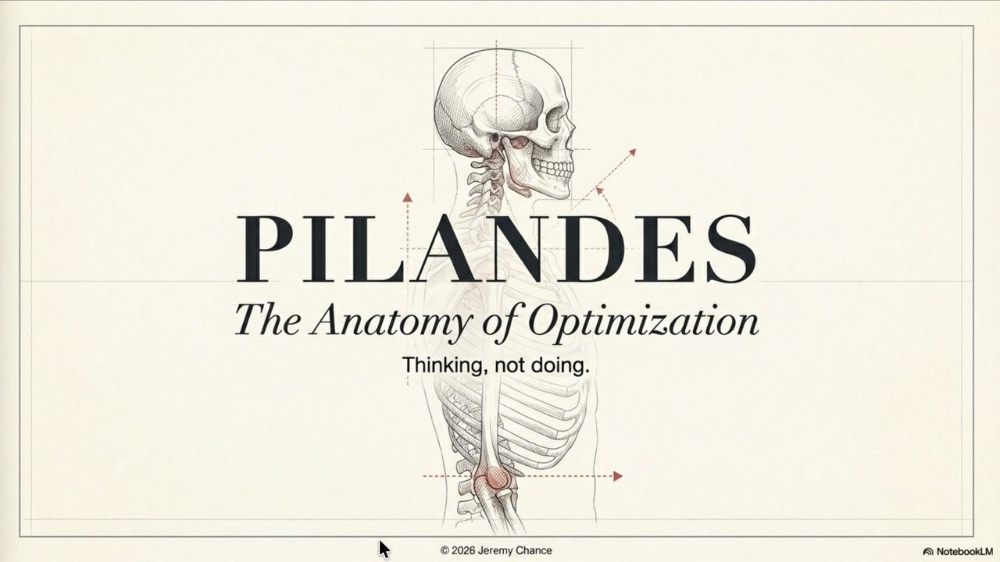

今日、私の腕はどこまで届く? • How Long Will My Arm Be Today?
Mar 17, 2026 ジョイントが変わるとかなり体はシンプル。キューもとてもシンプルになり感じる時間ができる。
zen place ピラティス指導者 対象 — PILANDES 体験レッスン
[Original English below]
今日の私の腕は何センチ?
あなたの脳は、腕をもっと長くすることができるのをご存知ですか?
21歳を過ぎたら、そういうことはほぼ固定されていると思っていたことでしょう。そうではありません。脳にとって、これは「交渉の余地がある」話なのです。
たとえば、庭で落ち葉をかき集めるとき、脳はレーキを含めた腕の概念を拡張します。そうしなければなりません——でなければ、バランスを保つための生体力学的な計算に、新しい要求が加わったと姿勢システムはどうやって知ることができるでしょうか?これはすべて、あなたの知らないところで、あなたの同意なく起きています。感謝しましょう。
腕を失った後でさえ、脳に「腕はない」と納得させることは非常に難しいことです。存在しない腕のかゆみに苦しみながら、かくことすらできない人がいます。脳は賢いかもしれませんが、それほど賢くはないのです。間違いを犯すことがあり、しかもかなり頑固です。だからこそ、意識的に介入する必要があります。それがPILANDESで訓練することです。
科学者の中には、脳のボディマップを二つのネットワークとして捉えることが有用だと考える人がいます——ボディ・スキーマとボディ・イメージです。ボディ・スキーマという概念は、20世紀初頭に登場して以来、一貫しています。私たちが空間における自分の体の、継続的に更新されるマップに依存しているという考え方です。ボディ・イメージという概念は少し後に生まれ、自分自身をどう見るかを表します。たとえば、拒食症の人は危険なほど痩せているにもかかわらず、鏡の中に「太りすぎ」の自分を見ることがあります。
これらの内的なマップは私たちを強力に導いており、科学はそれらが神経可塑的であることを示しています——継続的に更新されているのです。
以前、京都交響楽団のヴィオラ奏者と仕事をしたことがあります。彼女は弓を持つ腕に痛みを抱えていました。私にはその理由がわかりました。
「腕はどこで胴体とつながっていると感じますか?」と私は尋ねました。
彼女は肩の端を指しました。
「違います」と私は言いました。「ここです」と首の付け根を指して、「腕と体幹を直接つなぐ唯一の関節は、Wing Jointsにあります。」私が指していたのは胸鎖関節、5つの姿勢関節のひとつです。「そこから弓の腕を動かしてみてください。」
彼女はたちまち変わった。肩を押さえつけるのではなく、腕全体がウィング関節からのびのびと動き、痛みは消えた。もう自分の腕と戦う必要はなかった。
あなたのピラティスを導いているマップは何ですか?
PILANDESはボディ・スキーマとボディ・イメージを紹介します——進化する「犬の鼻」の感覚 が、普段は無意識の姿勢的な動きのシステムとどう協力するかを導いてくれます。内的なボディマップを更新するための、知的で、建設的で、意識的な方法があることに気づきます——ピラティスにおける、より精確さ、持続力、自由を得るために。
今週、zen BodyChanceの研修生、樋口恵美子さんがこんなことを書いてくれました:
「具象化しているものと結びつくとき、見えない姿勢システム(非具象)は分かりやすくなり目に見える姿(音楽の場合は聞こえる音)で現れる。」
あなたのピラティスが、その音楽です。
PILANDESは単に動くことへの新しい考え方ではありません——生きることへの新しい考え方へとつながるものです。
トライアルに来て、腕の長さで遊んでみましょう!
次回:まったく違う何かをお届けします
*** Original English ***
When the joints are working, the body becomes surprisingly simple. My cues get much simpler too — and there's suddenly time for clients to actually feel something. —zen place Pilates instructor workshop — PILANDES Trial Lesson
How Long Will My Arm Be Today?
Did you know your brain can politely make your arm longer?
I’m sure you thought things like that were pretty much fixed once you turned 21. I once did. But not so. As far as your brain is concerned, this is a matter of negotiation.
For example, if you start raking leaves in the garden, your brain will extend its idea of your arm to include the rake. It must do – how else will your postural system know that a new demand must now be brought into its biomechanical equations to maintain your balance?
All happening behind the scenes without your consent or knowledge.
Say thank you.
It’s also very hard to convince your brain that you have no arm, even after you lost it.
There are people who live in agony with an itch (on their non-existent arm) that they cannot scratch. So while your brain may be smart, it’s not that smart. It can get things wrong and be quite stubborn about it.
This is why we need to consciously intervene. This is what PILANDES trains you to do.
One useful distinction some scientists make is to consider our brain’s bodymaps as two networks: body schema and body image. The concept of body schema has been remarkably consistent since it emerged in the early 20th century to describe how we depend upon a continuously updated map of our body in space. Body image as a concept emerged a little later to describe how we see ourselves: a person with anorexia nervosa, for example, may be dangerously underweight and still see a person in the mirror who is “too fat”.
We are powerfully guided by these internal maps, and science has shown that they are neuroplastic: they update themselves continuously.
I once worked with a violist with the Kyoto Symphony orchestra who was suffering pain in her bowing arm. I could see why.
“Where does your arm hinge with your torso?” I asked her.
She pointed to the edge of her shoulder.
“No,” I said, “it is here,” and I pointed to the base of her neck. “The only joint that connects your arm to the main torso is at these Wing Joints.” I was referring to the sternoclavicular joints, one set of the 5 Postural Joints.
“Move your bowing arm from there,” I instructed her.
She was instantly transformed: instead of holding the shoulder down, her whole arm moved freely up from the Wing Joints, and her pain evaporated. She was no longer at war with her arm.
What map is guiding your Pilates?
PILANDES introduces you to body schema and body image: your evolving ‘dog’s nose’ sense [LINK TO OLD BLOG] guides you in how to cooperate with your normally unconscious postural movement system. You realise there is an intelligent, constructive, and conscious way to update your internal body maps to achieve more precision, stamina and freedom in your Pilates.
As one of my trainees - Emiko Higuchi - at zen BodyChance wrote to me this week:
"When connected to what is made concrete, the invisible postural system — the non-concrete — becomes easier to understand, and appears in visible form: in music, as audible sound."
PILANDES is not only a new way to think about moving – it is a new way of thinking about living.
Come along to a Trial and play around with the length of your arm!
NEXT: And Now for Something Completely Different
21通のPILANDES手紙
ジェレミー・チャンスより
Pilatesはあなたがすること。PILANDESはその方法
個人情報は厳重に管理し、第三者への提供は一切行いません。