次に、私は何をすればいいの?• What Am I Supposed To Do Next?
Mar 27, 2026「自分で自分を調整することによって、自然のなりゆきは変えられない。」 — FM Alexander、語録、第8番
[Original English below]
Pilatesでは、次に何をすべきかについて、明確で具体的なアイデアをもらうことに慣れている。だからこそ、PILANDESは少し戸惑うように感じるかもしれない。なぜなら、明確な答えがないからだ……
姿勢運動システム(PMS)が次に何をするか、あなたには知りようがない。それほど複雑なのだ。PILANDESは、特定の動きに対するシステム全体の反応を扱う。動き(アクション)は知ることができる。しかし、システム全体の反応は知ることができない。それはダイナミックなものであり、静的なものではない。
あなたのPMSは、あなたがどんな姿勢にいるかを気にしない。歯でぶら下がりながらぐるぐる回っていたとしても、PMSはあなたを効率よく最適化する方法を見つけ出す——委ねさえすれば。
委ねさえすれば。
委ねさえすれば——それがあなたの仕事だ。それがPILANDESだ。
PMSに命令を下し始めると——こう保持して、この部分をそこに置いて、これをずっと固めていて、など——すぐに身体に問題が起きる。
自然をそんなふうにハックすることはできない。
***
VMS | PMSがPilates | PILANDESの中でどう連携しているか、シンプルにまとめると:
VMS:Pilatesは、意識的・意志的な随意運動システム(VMS)を動かす
PMS:PILANDESは、姿勢運動システム(PMS)の無意識の自動化をナビゲートする
このように起きる:
Pilatesでは、何をすべきかを知りたい。
PILANDESでは、何をすべきでないかを知りたい。
Pilatesでは、正しいポジションが重要だ。
PILANDESでは、ポジションは関係ない。
Pilatesでは、「次は何をすればいい?」と問う。
PILANDESでは、「正しいことが起きるに委ねよう」と言う。
両方が必要だ。それぞれに異なる役割がある。
アレクサンダーの発見以前、人々はVMSに過剰な注意を向けていた。VMSが動きを指示できるだけでなく、姿勢も維持できると考え始めた。その結果、「尾骨を引き込め」「お腹の筋肉を締めろ」「足を平行に保て」「肩を引け」といった余計な指示が生まれた。
PILANDESを学べば、そのすべてを手放す。なんと清々しいことか。
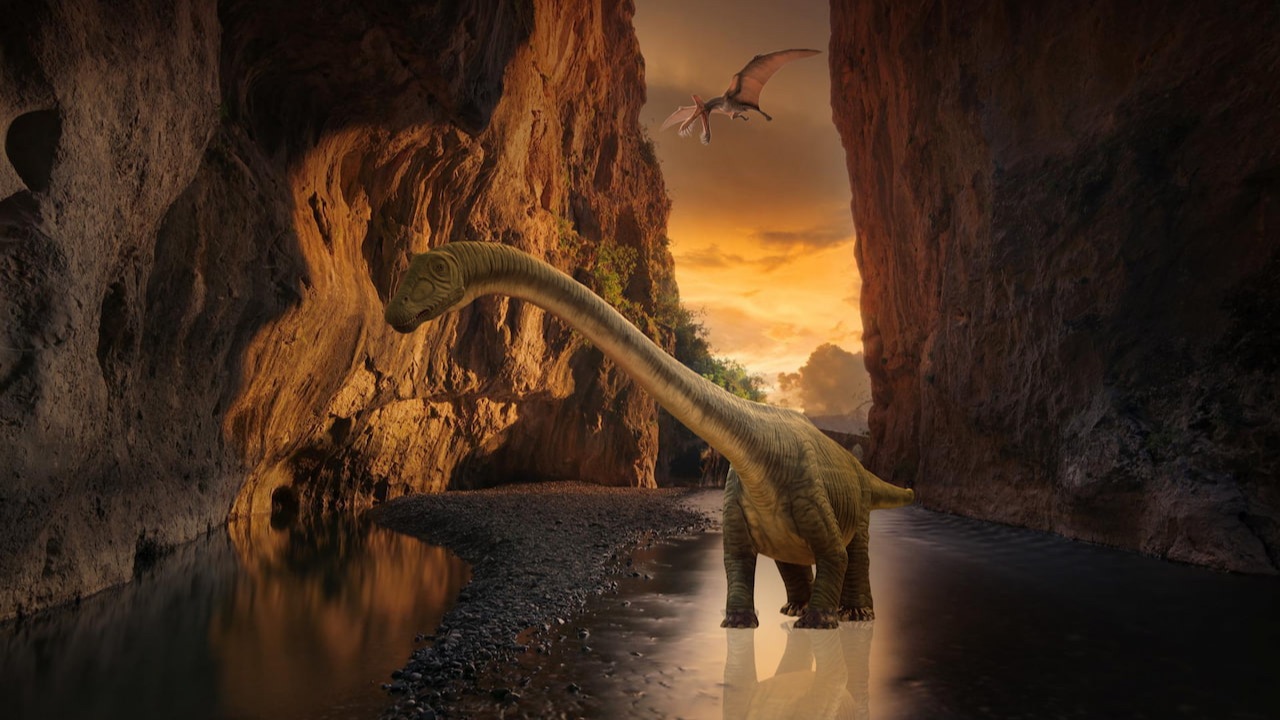
その代わりに、あなたは自分の姿勢運動システムを信頼する——5億年以上にわたって進化してきた動きを。恐竜もChordata(脊索動物門)に属している。私たちはともに、この門の脊椎動物だ……
恐竜がお腹の筋肉を締めようとしたり、足を平行に保とうとしたりしたことが、果たしてあっただろうか?
あるいは、恐竜が「次に私は何をすればいいの?」と悩んだことがあっただろうか?
おそらく、ない。でも幸いなことに、私たち人間は悩む……
次回:「最後の呼びかけ」
*** Original English ***
"You can't change the course of Nature by co-ordinating yourself."
— FM Alexander, Teaching Aphorism, #8
***
What Am I Supposed To Do Next?
In Pilates, you are so used to getting a definite and distinct idea of what to do next, that it makes PILANDES feel almost frustrating – because there is no clear answer…
In PILANDES, you can’t possibly know what postural support will do next because it is immensely complex. PILANDES involves a systemic response to a specific action. The action you can know, the systemic response you can not know. It’s dynamic, not static.
Your Postural Movement System (PMS) does not care what position you are in: you can be hanging upside down by your teeth while spinning around, and your PMS will still find a way to optimise you in an efficient way, if you let it.
If you let it.
If you let it – that’s your job. That’s PILANDES.
When you get bossy and tell PMS: hold me this way, put this part there, keep holding on to this etc. etc. - you will soon have trouble in your body.
You can’t hack into Nature like that.
***
Here’s a simple overview of how VMS | PMS work together in Pilates | PILANDES:
VMS: Pilates drives the conscious, volitional, Voluntary Movement System (VMS)
PMS: PILANDES navigates the unconscious automation of the Postural Movement System (PMS)
It happens like this:
In Pilates you want to know what to do.
In PILANDES you want to know what not to do.
In Pilates the correct position is important.
In PILANDES the position doesn’t matter.
In Pilates you ask: “What do I do next?”
In PILANDES you say: “Let the right thing happen.”
Both are necessary: each has a different role to play.
Until Alexander's discoveries, people paid too much attention to VMS. They began to think that not only could VMS direct their movements, but VMS could also help sustain their posture. This led to all kinds of superfluous instructions such as “tuck in the tail” or “tighten the tummy muscles” or “keep the feet parallel” or “pull the shoulders back”.
When you study PILANDES you abandon all of that. What a relief.
Instead, you trust your Postural Movement System – movement that has been in evolution for over 500 million years. Dinosaurs belong to Chordata too – we are both vertebrates in this Phylum…
I wonder if dinosaurs ever tried to tighten their tummy muscles or keep their feet parallel?
Or did a dinosaur ever wonder: “What am I supposed to do next?”
Probably not. But luckily, we humans do wonder…
NEXT: The Final Call
21通のPILANDES手紙
ジェレミー・チャンスより
Pilatesはあなたがすること。PILANDESはその方法
個人情報は厳重に管理し、第三者への提供は一切行いません。