
筋トーンをオンにする・パートI • Turning on Muscle Tone - Part I
May 12, 2026[Original English below]
自然はバイナリシステムを好みます。
感覚と運動。動脈と静脈。左腕と右腕。心臓の二組の相互心室。脳でさえ、左半球と右半球があります。このような組織は、私たちが動きを管理する方法にも続いています。
随意運動システム(VMS)と姿勢運動システム(PMS)。
随意運動とはまさにその通り――あなたがする動きです。意志によるものです。
姿勢運動はその反対――あなたがするのではなく、自然にされるものです。
たとえば腕を持ち上げるたびに、他の何百もの筋肉が、腕の動きをサポートするために自動的に働くよう指示されます。これが本来の設計です。一方は随意的、もう一方は自動的な姿勢反応です。
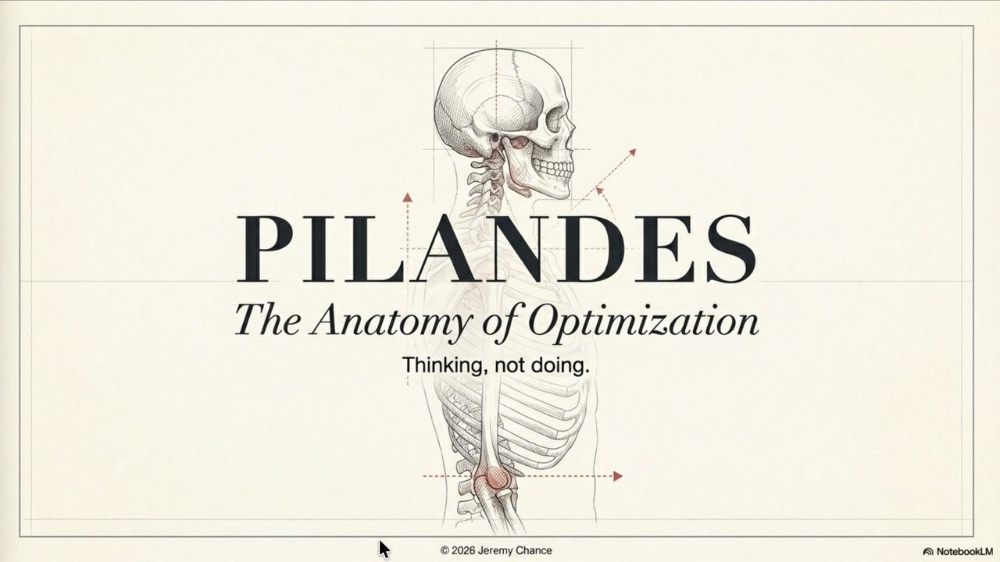
ピラティスが随意運動(VMS)に働きかけるのに対し、PILANDESが扱うのは姿勢運動(PMS)です。なぜ両方にアプローチする必要があるのでしょうか?姿勢運動は自動的ではないのでしょうか?
問題は、随意運動が姿勢運動を簡単に上書きしてしまうことです。
実際、あなたはずっとそう教わってきました。日本では幼い頃から、「気をつけ!」という号令で肩を引くよう促されてきました。これは意図的な随意運動によって行われ、腕の繊細な姿勢バランスを壊してしまいます。広背筋や僧帽筋といった大きな筋肉が、回旋筋腱板などの小さな姿勢筋を、本来の姿勢設計とはかけ離れた状態に追いやります。子どもにこのような動きを教えることは愚かなことであり、やがて多くの人が今日「肩こり」と呼ばれる状態になってしまいます。
PILANDESは、この状態を生み出す動きを消し去る方法を簡単にお伝えできます。
私たちの動作システムは、それぞれ異なる種類の筋肉を使います。これは細胞レベルでも当てはまります――疲れにくい筋線維(PMS)と疲れやすい筋線維(VMS)――そしてより大きな組織レベルでも同様です――小さな姿勢筋(PMS)と大きくパワフルな筋肉(VMS)。
美しいシステムです。エレガントで、エネルギー効率が高く、効果的です。
そうでなくなるまでは。
そうでなくなったとき――不快感、疲労、過度な努力が当たり前になってきたとき――あなたはPILANDESでシステムをバランスに戻す必要があります。
トーンを求めるのは正しいことです。ピラティスはそのトーンを与えてくれます。ピラティス指導者たちの堂々とした姿勢がその証拠です。しかし、トーンを生み出すために直接的な随意的アプローチを取ることには、意図せぬ代償が伴います。
どのようにしてトーンを生み出すか、見直してみる価値があります。求める姿勢筋のトーンは、随意運動では効率よく得られません。自然は、私たちが行う動きをサポートするために必要な姿勢トーンを生み出す、エレガントなバイナリシステムを設計しました。
アレクサンダーは、姿勢運動システム(PMS)に、あらゆる動きに必要な姿勢トーンを正確に生み出す優れた設計があることを発見しました。
この優れた設計とは何でしょうか?
次回をお楽しみに。
次回:筋トーンをオンにする・パートII
P.S. この仕組みは、トライアルで数分あれば実感していただけます。いつものピラティスのエクササイズを行いながら、このエレガントなバイナリシステムがあなたの運動の感覚をどのように変えるかを体験してください。
Jeremy Chance
ディレクター、PILANDES
ピラティスはあなたがすること。
PILANDESはあなたがする方法。
www.pilates.jp | zen place pilates course
*** [Original English] ***
Turning on Muscle Tone - Part I
Nature loves binary systems.
Sensory and Motor. Arteries and Veins. Left arm and right arm. Two sets of reciprocal chambers in the heart. Even your brain has a Left Hemisphere and a Right Hemisphere. This organisation continues into the way we manage movement:
Voluntary and Postural movements. (VMS & PMS)
Voluntary movement is just that - you do it. It’s voluntary.
Postural movement is the opposite - you don’t do it. It does itself.
Every time you lift an arm for example, hundreds of muscles in other places are automatically instructed to fire in order to support the movement happening in your arm. That is how it is designed to work. One is voluntary, the other is an automatic postural response.
Whereas Pilates appeals to voluntary movement, PILANDES is dealing with postural movement. Why do we need to approach both? Isn’t postural movement automatic?
The problem is that voluntary movement can easily override your postural movement.
In fact, you are taught to do this all the time. In Japan, from your earliest years, you were encouraged to pull back your shoulders by the instruction “Kiyotsuke!” This is effected by intentional voluntary movement, which devastates the delicate postural balancing act of your arm. Large gross muscles - latissimus dorsi, trapezius - propel the smaller postural muscles - such as the rotator cuffs - into an organisation which was never part of your postural design. It is foolish to instruct children to behave in this way, because eventually many of them end up with the condition labelled today as “katakori”.
PILANDES can easily show you how to evaporate the movements that create this condition.
Each of our movement systems generally accesses different types of muscles. This is true both at a cellular level - non-fatiguable (PMS) versus fatiguable (VMS) muscle fibres - and at a larger organisational level - smaller postural muscles (PMS) versus larger, powerful muscles (VMS).
It’s a beautiful system which is elegant, energy-efficient and effective.
Until it isn’t.
And when it isn’t - when discomfort, fatigue and excessive effort start to become the norm - you need PILANDES to reset your system into balance.
You do want tone - that part is right. Pilates will give you this tone. This is evident by the robust, upright stature of Pilates educators generally. However, there are unintended costs in taking a direct voluntary approach to produce the tone you need.
It is worth reconsidering how you produce that tone. The postural muscle tone you want is not brought about very efficiently by voluntary movements. Nature designed an elegant binary system to produce the postural tone you need to support the movements you do.
Alexander discovered that the Postural Movement System has a brilliant design that produces exactly the kind of postural tone you need for any movement at all.
What is this brilliant design?
Stay tuned.
NEXT: Turning on Muscle Tone - Part II
P.S. The way this works can be demonstrated in a few minutes at a Trial. Come along and do any of your Pilates exercises to experience how this elegant binary system can transform your feeling of doing them.
Jeremy Chance
Director, PILANDES
Pilates is what you do.
PILANDES is how you do it
www.pilates.jp | zen place pilates course
21通のPILANDES手紙
ジェレミー・チャンスより
Pilatesはあなたがすること。PILANDESはその方法
個人情報は厳重に管理し、第三者への提供は一切行いません。