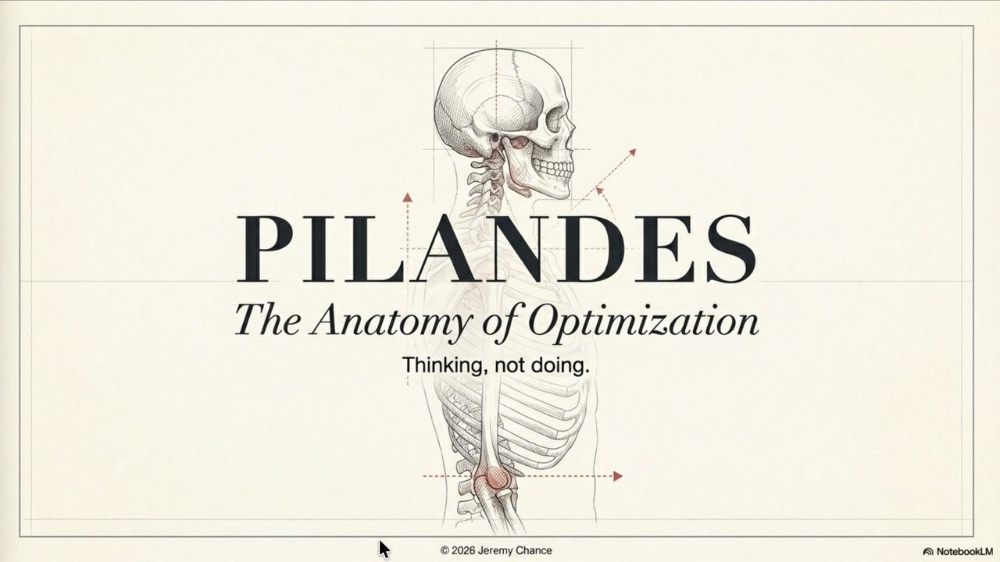
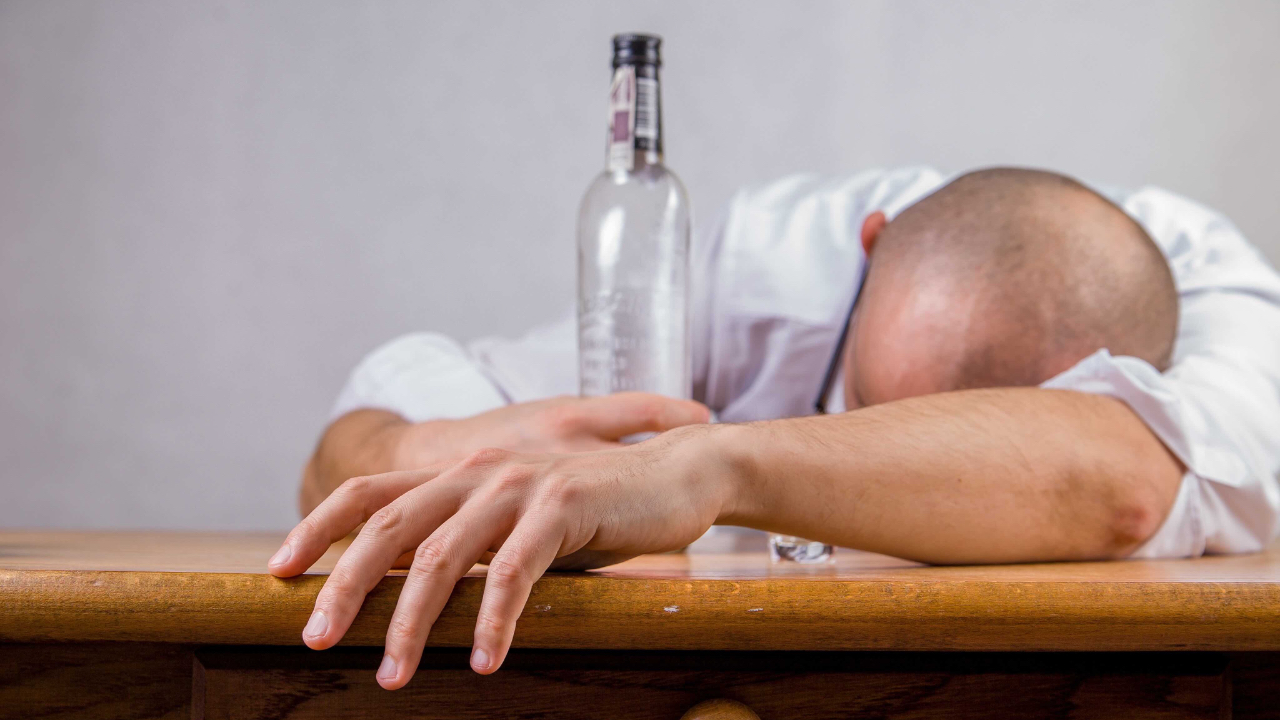
年をとっていると感じますか? • Are you Feeling Older?
Apr 08, 2026
[Original English below]
まあ、調子の悪い日もある。
「年をとった感じ」は、若い人にも起こる。身体の発達はたいてい20代半ばで完了する——そのあとは、損傷と衰えが少しずつ積み重なっていくのを、いかに食い止めるかという話になる。
それはエネルギーが減り、身体が以前ほど素早く、コンスタントに、楽に動いてくれなくなることとして経験される。たとえば:かがむのが一苦労になってきた、爪を切るのが難しくなってきた、今日は走って電車に乗りたくない、と感じる——そんなことはないだろうか?
では、何ができるのか?
じつは、誰も教えてくれない選択肢がある。説明しよう…
***
筋肉は、身体の中で最も大きな組織の塊だ——体重の30〜50%を占める。そして、爪を切るにも、バスに走って乗るにも、かがむにも——動いて生きることを支えているのも、この組織だ。
現代的な加齢対策といえば、たいてい食事、運動、睡眠、メンタルヘルスに集中する。でも、姿勢はどこにある?
姿勢は、健康に大きな影響を与える。姿勢は運動ではない。運動はどちらかといえば心血管系・呼吸器系のもの——心臓を動かし、細胞に酸素を届けるためのものだ。
運動は健康にいい—でも、姿勢に働きかけているわけではない。
姿勢とは、動きながらバランスを保つために、筋肉系が絶え間なく行っている協調活動だ。動的なものだ。「正しい姿勢とは一定の形のこと」という考え方は、石器時代の発想だ。社会全体でこの時代遅れな姿勢観をアップデートする時が来ている…
姿勢を司っているのは、姿勢運動システム(PMS)——複雑で多機能な、動的で、応答的で、無意識のシステムだ。
PILANDESでは、このPMSを学ぶ。でも、PMSは自動的・無意識に働くシステムであるがゆえに、姿勢は他のどんな加齢対策もほとんど手をつけていない領域だ——どうやって姿勢を改善するのか、見当もつかないのだから!「正しい姿勢の形を探す」ことはまったく関係ない。本当の問題はこれだ:
意識的にアクセスできないものに、どうやって働きかけるのか?
アレクサンダーは、この問題を解く方法を見つけた。彼は、この自動化された姿勢システムと間接的にコミュニケーションを取る方法があることに気づいた。ただし、他の加齢対策と同じように、それは生涯にわたる取り組みだ。
そして、それが効くという証拠がある。
アレクサンダーの仕事をしていた指導者たちは、長く健康に生きることで知られている。私はアレクサンダーのもとで学んだ8人の指導者について、簡単に調べてみた。彼らが生きた年齢はこうだ:
96、92、70、95、96、83、94、96歳* 印象的だと思わないか?
そして、彼らが生まれた時代の平均寿命は、おおよそ70歳だった。それでも私が個人的に知るかぎり、彼らは全員が最晩年まで活動的で、大半がその最後の年まで教え続けていた。寝たきりになった人も、老人ホームに入った人も、一人もいない。
加齢を防ぐためにできることはたくさんある——でも、姿勢についてPILANDESほど徹底的かつ具体的に扱っているものは、他にない。
アレクサンダーは姿勢のマスターだった——その洞察と実践的手法の有効性を超えた人物は、未だいない。ニコラース・ティンバーゲンは1973年のノーベル医学賞受賞スピーチでこう述べた:
「医学的な訓練を受けていない一人の人物(アレクサンダー)が示したこの——洞察力、知性、粘り強さの——物語は、医学研究と実践における真の叙事詩の一つだ。」**
日本でピラティスを実践する人たちにとって、PILANDESを通じてアレクサンダーの発見にアクセスできる。PILANDESとピラティスを組み合わせることで、加齢を防ぐだけでなく、日々のバイタリティ、エネルギー、スタミナを積極的に高める、最も強力な方法の一つを手にすることができる。
年をとっていると感じますか?
ぜひ、PILANDESのトライアルで「少し若返る感覚」を体験してみてください。自分の生活に加えたい実践かどうか、確かめに来てほしい…
次回:呼吸について - 調節者を調節するのは誰か?
お楽しみに。
cheerfully
Jeremy Chance(ジェレミー・チャンス)
Director, PILANDES
Pilatesはあなたがすること。PILANDESはその方法。
www.pilandes.jp | zen place pilates course
***
* これらの指導者は、Marjorie Barstow(1899–1995)、Margaret Goldie(1905–1997)、Lulie Westfeldt(1895–1965)、Walter Carrington(1915–2010)、Dilys Carrington(1924–2020)、Patrick Macdonald(1908–1991)、Peter Scott(1913–2007)、Erika Whittaker(1919–2015)。
** Tinbergen, N. (1973). Ethology and Stress Diseases. Nobel Lecture, December 12, 1973. Nobel Foundation.
*** Original English ***
Are You Feeling Older?
Granted, some days are worse than others.
Feeling older happens to younger ones too. Development is usually complete by your mid-twenties - after that, you have a progressive accumulation of damage and decline to counter over time.
Age is experienced as having less energy and a body that doesn’t respond as quickly, as constantly or as easily as before. For example: it takes more effort to bend down, cutting your toenails is getting harder and do you really want to run for the train today?
What can you do?
Well, there’s another option that no one tells you about. Let me explain…
***
Muscles make up the largest mass of tissue you have in your body – anywhere from 30~50%. It is also the tissue that gets you around: to cut your toes, to run for the bus, to bend.
Modern-day methods for countering the effects of age usually focus on diet, exercise, sleep and mental health. But where is Posture in that?
Posture is a significant influence on your health. Posture is not exercise. Exercise is more about your cardio-vascular and respiratory systems i.e. get your heart pumping and more precious oxygen into your cells.
Exercise is a healthy thing to do – but it is not addressing Posture.
Posture is the relentless coordination of your muscular system to maintain you in balance as you exercise. It is dynamic. The idea of Posture as a set of fixed “correct” positions is a Stone Age idea. It’s time for Society to update this archaic idea of Posture…
Posture is run by your Postural Movement System (PMS) - it is a complex, multi-functional system that is dynamic, responsive and unconscious.
In PILANDES, you study PMS, but because of its automated unconscious nature, Posture is the one ageing factor other methods do very little about, because they have no idea how to go about improving Posture! Finding “correct positions” has nothing to do with it. The real problem is this:
How do you influence something that is not consciously open to being influenced?
Alexander found a way to solve this problem. He realised that there are ways to indirectly communicate with this automated postural system. However, like any age-countering method, it is a lifelong endeavour.
And there is proof that it works.
Teachers of Alexander’s work are famous for living long and healthy lives. I did a quick research of 8 teachers who trained with Alexander. Here are the ages they lived to:
96, 92, 70, 95, 96, 83, 94, 96* Impressive, isn’t it?
And for people born into this era, life expectancy was broadly about 70 years. Yet I know personally that all of them were active, and the majority still teaching, right into their last year of life. None of them was infirm or living in a nursing care facility.
There is a lot you can do to prevent ageing, but Posture is not covered anywhere as thoroughly and specifically as you find in PILANDES.
Alexander was the Master of Posture – no one else has eclipsed his insights or the efficacy of his practical method. As Nikolaas Tinbergen stated in his acceptance for the Nobel Prize for Medicine in 1973:
“This story, of perceptiveness, of intelligence, and of persistence, shown by a man [Alexander] without medical training, is one of the true epics of medical research and practice.”**
In Japan, for those who practice Pilates, you have access to Alexander’s discoveries through PILANDES. Combine PILANDES with your Pilates practice, and you have one of the most powerful formulas not only to prevent ageing, but to positively increase your vitality, energy and stamina on a daily basis.
Feeling older?
Well, try out feeling a little younger at a Trial of PILANDES to decide if it really is a practice you’d want to add into your life…
* These teachers are Marjorie Barstow (1899–1995), Margaret Goldie (1905–1997), Lulie Westfeldt (1895–1965), Walter Carrington (1915–2010), Dilys Carrington (1924–2020), Patrick Macdonald (1908–1991), Peter Scott (1913–2007), and Erika Whittaker (1919–2015).
** Tinbergen, N. (1973). Ethology and Stress Diseases. Nobel Lecture, December 12, 1973. Nobel Foundation.
21通のPILANDES手紙
ジェレミー・チャンスより
Pilatesはあなたがすること。PILANDESはその方法
個人情報は厳重に管理し、第三者への提供は一切行いません。