マーチング?本当に?それがマーチングと言えるの!? • Marching? You Call that Marching!?
Jun 20, 2026PILANDESマットコースより——第二部
姿勢関節は5つだけではない。
PILANDESマットの授業中、思わず秘密を明かしてしまいました——5 Distal Postural Joints(5つの遠位姿勢関節)を。
もちろん、PILANDESにおけるすべてのポスチュラル・キューイングは、アレクサンダーの卓越した発見——私たちの姿勢システムが常に一方向へと絶え間なく動き続けているという発見——を源としています。私はこれを冗談交じりに「ターミネーター原理」と呼んでいます。アーノルド・シュワルツェネッガーの映画に登場するあのロボットが、何度破壊されても必ず自己修復し、同じ方向へ進み続けるように。
これがまさに、あなたの姿勢運動システム(PMS)の働き方です。
今日は、この5つの遠位姿勢関節がどのように機能するのか、いくつかの概念と具体例を紹介していきます。
***
アレクサンダーのトレーニングスクールでも、これらの遠位姿勢関節は議論されていたようです。アレクサンダー自身、それらを「secondary orders(二次的指示)」と称していた可能性があります。* ロンドンでトレーニングを受けていたのは、アレクサンダーが亡くなってから25年後のことでしたが、当時こういった言葉をよく耳にしました:
「肘を落とせ」(上腕骨頭関節)
「手首を落とせ」(関節複合体)
「肘を外へ」(上腕尺骨関節)
「膝を前と外へ」(大腿脛骨関節・膝蓋大腿関節、および股関節と連動して)
これらのフレーズの起源については、まったくわかりません——アレクサンダー自身が使っていたものなのか、それとも弟子たちが作り出したものなのか。私が知っているのは、1970年代後半に私のトレーニングスクールでよく聞かれた言葉だったということだけです。今日、アレクサンダーに直接師事したすべての人は亡くなっています——尋ねる相手はなく、記録もほとんど残っていない……
では、一から始め直しましょうか?
***
以前、ピラティスのリブ・ケージ・アームについて紹介した際、腕を動かそうとする前に肘を過伸展させてしまう傾向があることに気づきました。これはPMSと遠位姿勢関節の組織化原理に反しています——たとえば立位では、肘は常にわずかに屈曲した状態で下がっています。
実は、膝も同じなのです。
肘と同様に、バランスの取れた立位では、意図的に指示しない限り、膝が過伸展した状態に置かれることはありません。肘と膝の両方において、このわずかな屈曲は姿勢的な前提条件であり、PILANDESの根本的な原則を浮き彫りにします:
特別な理由がない限り、遠位姿勢関節が四肢の動きを開始させる。
なぜか?それは、PMSが本来の状態では順序に従って動くからです。リブ・ケージ・アームでは、手首から肘、そして肩へと順に腕の動きを始める実験を行いましたが、その感覚的な結果は驚くほどの軽さと楽さでした。
これはPMSに基づく動きの証——その有効性の証明です。
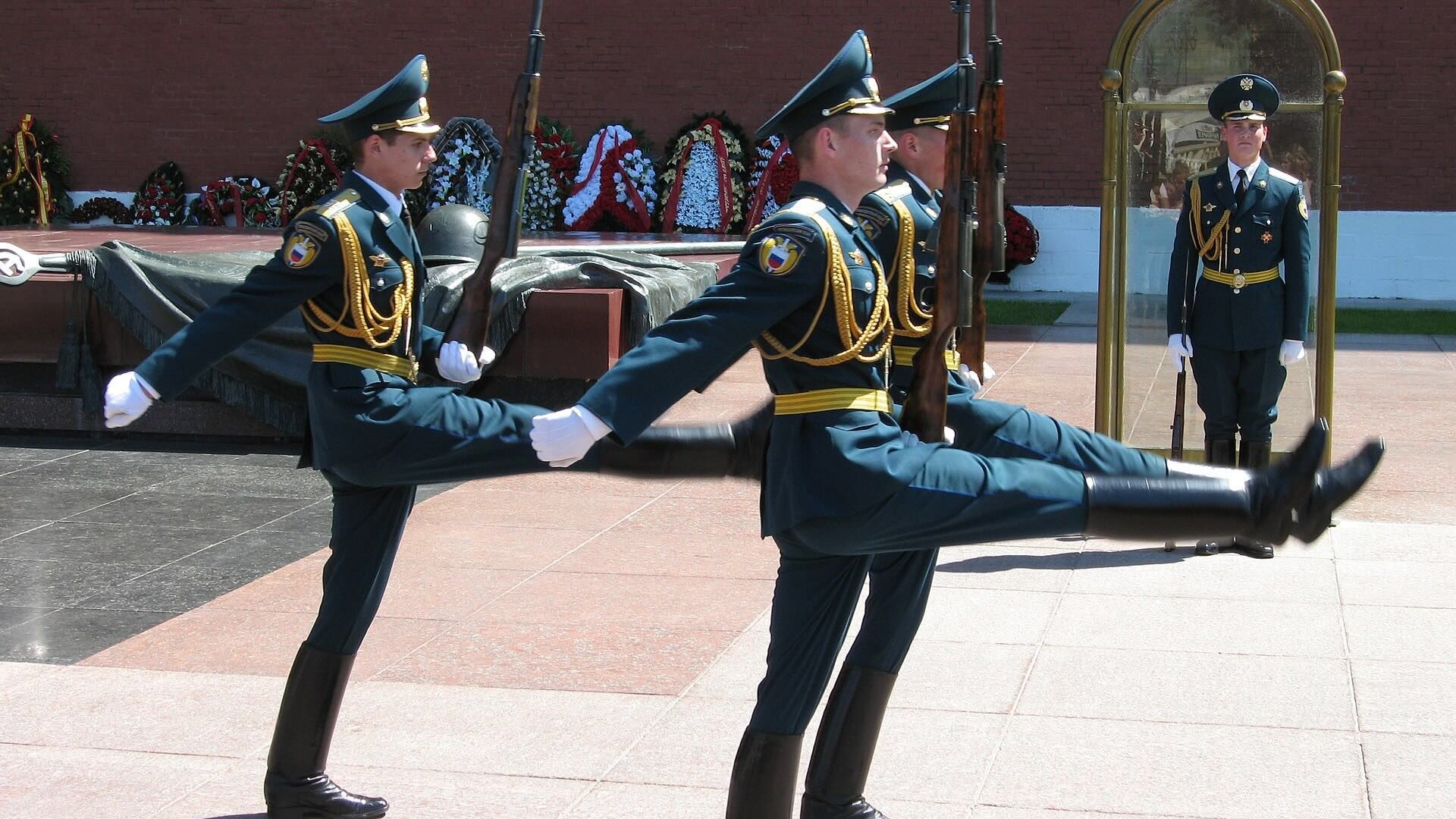
マーチングを研究していて、私は驚きました——この一般的なピラティス・エクササイズが、5つの遠位関節に関するPILANDESの根本的な原則を無視する形で意図的に教えられているという事実に。私の卒業生が担当するPILANDESマットのクラスに参加したことがある方なら——まったく異なるマーチングを体験することになります!
授業でこんな実験を試みました。股関節だけを使って脚を動かすという従来の指示に文字通り従ったとしたら、直立した状態での「マーチング」はどうなるのか。結果は、マーチングとはほど遠いものでした!膝をほぼ固定したまま、股関節で屈曲と伸展を交互に繰り返しながら、妙な歩き方をするだけでした。
見た目はひどいものでした——また学生たちに笑われてしまいました。
本当に?これはマーチングとは言えません!
PILANDESでは、ピラティス・エクササイズの名称を真剣に受け止めます——マーチングを再現したいなら、本当のマーチングを再現してください。つまり、膝から動き始めるということです!膝関節と足首関節は、5つの遠位姿勢関節のうちの2つです。「マーチング」の動きを開始するとき、股関節から始めてはいけません——膝関節から始めてください……
順序は:膝 → 股関節 → 脚を下ろす;そして 膝 → 股関節 → 脚を上げる。
リブ・ケージ・アームでもそうだったように、遠位姿勢関節のPMS指定の順序を尊重すると、脚に驚くほどの楽さが生まれます。**
5つの遠位関節を理解する最善の方法は、PILANDESを通じてピラティス・エクササイズを探求することです。体験クラスにお越しの際は、どのエクササイズでも実際にデモンストレーションをお見せします。
次のPILANDESマット モジュール2の新規募集が近日中に始まります。モジュールはどの順序でも受講できるよう設計されています。大阪では、モジュール1の第1ユニットとなる3回の集中日曜コースを導入します。
詳細は体験クラスでご確認いただくか、このメールに返信してお問い合わせください。
次回:ゲッティング・アップ&ゲッティング・ダウンにおける5つの遠位姿勢関節
または「ネコが何を言うか聞いてみよ——にゃあとは限らない」
(PILANDESマットコースより——第三部)
乞うご期待。
Jeremy Chance(ジェレミー・チャンス)
Director, PILANDES
Pilatesはあなたがすること。PILANDESはその方法。
www.pilandes.jp | zen place pilates course
* CCC第二部第四章「イラストレーション」にて、アレクサンダーは椅子の背もたれに手を置く手順について説明しています。腕の動きを具体的に指示する際、FMはこれらの腕への指示を「secondary orders(二次的指示)」として記述しており、頭と背中への一次的指示——PILANDESの言葉では、5つの姿勢関節を中心とした主要な動き——に続くものとしています。
** もちろん、足首関節で足を底屈方向へ向けていると、膝から動きを最初に始めることが難しくなります。ピラティスの学生がそうするよう指示されることはよくあることです。これは複雑な問題であり、このシリーズの後半で取り上げる予定です。
[Original English below]
Marching? Really? You call that Marching?
Reports from PILANDES Mat Course - Part II
There are more than 5 Postural Joints.
I let that cat out of the bag during PILANDES Mat: the 5 Distal Postural Joints.
Of course, all the Postural Cueing that happens in PILANDES has its origins in Alexander’s remarkable discovery that our postural system moves perpetually in a unidirectional way. I sometimes jokingly call it “The Terminator Principle” after the robot in those Arnold Schwarzenegger movies who always manages to restore himself so he can continue moving in the same direction.
That’s exactly how your Postural Movement System (PMS) works.
Today, I will introduce some concepts and examples of how these 5 Distal Postural Joints function.
***
In Alexander’s training school, I gather that these Distal Postural Joints were discussed. Alexander himself may have referred to them as “secondary orders.”* During the time I was training in London - 25 years after Alexander passed away - I remember hearing phrases like:
“Drop the elbows” (glenohumeral joint)
“Drop the wrists” (it’s a complex of joints)
“Elbows away” (Humeroulnar joint)
“knees forwards and away” (tibiofemoral & patellofemoral joints with the hips)
I have no idea of the origin of these phrases - did Alexander speak them, or were they invented by his students? I only know they were popular in my training school in the late 70s. Today, everyone who trained with Alexander is dead - there is no one to ask and very little is documented…
So let’s start again, shall we?
***
When describing Pilates Rib Cage Arm previously, I observed how people tended to hyperextend at the elbow as a precursor to moving their arm. This goes against the organisational principles of PMS and the Distal Postural Joints - in standing, for example, your elbow is always hanging in a slightly flexed way.
As it turns out, so are your knees.
Like the elbow, your knee is not put into hyperextension during well-balanced standing, unless you call upon it to do so. In both elbows and knees, this slight flexion is a postural precursor which highlights a governing principle of PILANDES:
Unless there is a good reason not to, distal postural joints initiate movements of the limbs.
Why? Because left to itself, PMS works sequentially. In Rib Cage Arm, when we explored the arm initiating movement from wrist to elbow to shoulder, the sensory result produced was remarkable lightness and ease.
This is a hallmark of PMS-based movement, a testimony to its efficacy.
Imagine my surprise as I studied Marching - a common Pilates exercise - to discover that the intentional way this exercise is taught ignores this foundational PILANDES principle in reference to the 5 Distal Joints. If you ever attend a PILANDES Mat class with one of my graduates - you’re in for discovering an entirely different way to practice Marching!
I tried to demonstrate to my class what this kind of “Marching” would look like when upright, if I literally followed the traditional instructions of just using my hip joints to move my legs. I was not marching! Instead, I was weirdly walking around with my knees mostly fixed in a position while I alternated flexion/extension at my hip joints.
I looked ridiculous - my students laughed at me again.
Really? This is not marching!
In PILANDES we take the titles of the Pilates exercises seriously - if you want to duplicate marching, then duplicate marching. And that means - move the knee first! Your knee and ankle joints are two sets of the 5 Distal Postural Joints. When you initiate the “march” of your leg, do not start at the hip joint - start at the knee joint…
It goes: knee -> hip -> lowering the leg; then knee -> hip -> raising the leg.
As happened in Rib Cage Arm, when you respect this PMS-designated sequencing of the Distal Postural Joints, the effect is remarkable ease in the legs.**
The best way to understand the 5 Distal Joints is to explore Pilates exercises through PILANDES. When you come to a trial, you can ask me to demonstrate any of these exercises.
There will soon be a new intake for the next PILANDES Mat Module Two. Modules are designed to be attended in any order. In Osaka, I am introducing three intensive Sundays which will serve as the first Unit of Module One.
Learn more about this by coming to a Trial, or just reply to this email for more information.
NEXT: 5 Distal Postural Joints in Getting Up & Getting Down
Or “Listen to What the Cat Says, and it’s not meow.”
(Reports from PILANDES Mat Course - Part III)
Stay tuned.
Jeremy Chance(ジェレミー・チャンス)
Director, PILANDES
Pilatesはあなたがすること。 PILANDESはその方法。
www.pilandes.jp | zen place pilates course
* In CCC Part II Chapter 4 “Illustration” Alexander describes a procedure of placing hands on the back of a chair. When it comes to directing your arms in specific ways, FM describes these arm directions as secondary orders, following the primary orders for the head and back, which, in PILANDES-speak, are the primary movements around the 5 Postural Joints.
** Of course, you will have trouble initiating the knee movement first if you are also directing your foot into plantar flexion at the ankle joint, which Pilates students are mostly told to do. This is another complex issue that I will be addressing later in this series.
21通のPILANDES手紙
ジェレミー・チャンスより
Pilatesはあなたがすること。PILANDESはその方法
個人情報は厳重に管理し、第三者への提供は一切行いません。