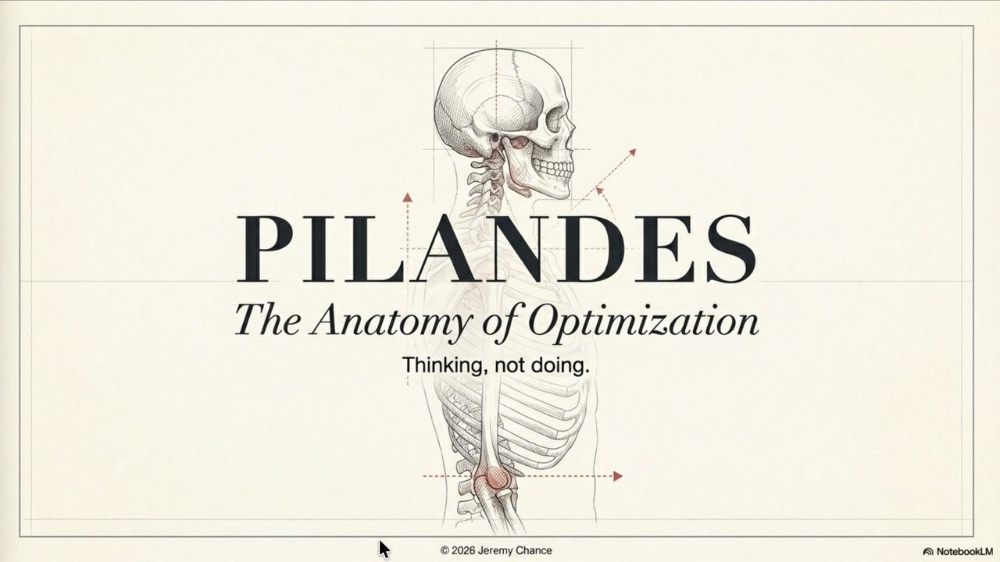

ピラティスにおける「コア」の神話 • The Myth of the Core in Pilates
Mar 02, 2026考えすぎないでやるって決めたことに集中すると、呼吸と動きが連動するのが分かりました。
When I decided not to overthink, I sensed breath and movement linking.
zen place ピラティス指導者 対象 — PILANDES 体験レッスン
[Original English below]
「コアとどう付き合えばいいんだろう?」とNanaは思い悩んでいた。
彼女は先日のPILANDES体験レッスンに参加した若いピラティス指導者の一人だ。Nanaは「コア」に関する、科学的には否定されたにもかかわらずピラティスの世界に今も残る概念に苦しめられていた。
この考えはいったい、どこから広まったのだろう?
「コア」という概念——動きの前に意識的に事前活性化できる独立した機能的ユニットとして——は、20世紀後半、医療リハビリテーションの世界で生まれた。腰痛を抱える人たちが、動く前に腹横筋(おなかの筋肉)の活性化が遅れていることが発見された、というシンプルな研究がきっかけだった。その考えがスポーツ科学の分野に越境したとき、「活性化していないことが問題だ!」という誤った結論へと変わっていった。
やがてフィットネス業界がこの概念を取り入れたが、そのころにはすでに「収縮させてから動く」というシンプルで歪んだ公式へと変質していた。
Nanaが混乱していたことは、この概念が今日もなお生き続けていることを証明している。
これは神話だ。有害な神話だ。科学的な根拠はない。
実際、科学界はこの考えをゆっくりと手放していった——しかしフィットネス業界は気にも留めなかった。もともと、Joseph H. Pilatesのエクササイズは、動く前に「コアを収縮させる」ことをNanaに求めてはいなかった。PILANDES体験レッスンのなかで、Nanaはブリッジをしながら姿勢サポートが自然に起こりうることを体験した——最初に別の動作として意識的にやらなければならないものではなく。
今日、現代のピラティスは二つのグループに分かれているようだ:
- コアを活動への動的で統合された反応として教えているひとたち——あなたたちは正しい方向にいる
- 動作前に収縮を指示し、動作中もキューイングし続けているひとたち——考え直す時かもしれない…
Nanaはこの二番目のアプローチを信じていた。直感的に、何かがおかしいと感じていた。Nanaは正しかった。レッスンを終えて帰るとき、彼女はこう言った:
「長い間ずっと抱えていた大きな疑問が、このセッションで解決しました。」
***
私はPILANDESの仕事で「コア」という言葉を使わない。
代わりに、あなたの根底にある姿勢サポートについて話す。この姿勢サポートが進化するのに5億年かかった——信頼する価値があると思わないか?自己(Self)を信頼することは、PILANDESの大きな部分を占めている。PILANDESをピラティスの動きに応用するときに直面するパラドックスのひとつでもある:エクササイズをコントロールしようとするのをやめることが、エクササイズを最もよくコントロールする方法だ。その代わりに、姿勢サポートが本来の設計どおりに働くことを信頼することを学ぶ。自動的に。
コントロールしようとするのをやめたとき、何か不思議なことが起きる…
明日は:なぜ筋細胞はPILANDESを好むのか。
乞うご期待。
***
[original English]
The Myth of the Core in Pilates
“How do I relate to my core?” wondered Nana.
She was one of several young Pilates Educators who joined me in a recent PILANDES Trial session. Nana was suffering from a scientifically invalidated concept of ‘core’ that still lingers in the Pilates world, causing misery for many.
How did this idea even get out into the world?
The concept of “core” – as a separate functional unit that can be consciously pre-activated before a movement – was developed in late-20th-century within the world of medical rehabilitation. It was due to a simple discovery that those who suffered from back pain were found to be delaying the activation of the transversus abdominis (tummy) muscle before moving. As the idea crossed over into the field of Sports Science, it turned into the mistaken conclusion that “non-activation is the problem!”
Finally, the concept was adopted by the fitness industry, but by this time the idea had morphed into a simple, distorted formula of: “activate and do”.
Nana’s confusion makes it clear that this concept still persists today.
It is a myth, a harmful myth. It is not supported by science.
In fact, the scientific community slowly abandoned this idea, but the fitness industry took no notice. Originally, Joseph H. Pilates’ exercises did not ask Nana “to activate her core” before moving. During her PILANDES trial, Nana experienced how postural support could happen naturally as she was doing ‘bridge’ - not as a deliberate, separate action that served only to confuse Nana’s body.
Today, modern Pilates seems to have split into two groups:
1. Those who already teach core as a dynamic, integrated response to activity — you're on the right track
2. Those who cue for engagement before action, and keep cueing throughout — it's time to rethink…
Nana had been a follower of this second approach. Her intuition knew something was wrong. Nana was right. As she was leaving, she declared:
“This session solved a big question I have had for a long time.”
***
I don’t even talk about “core” in my PILANDES work.
Instead, I talk about your underlying postural support. It took 500 million years for this postural support to evolve – don’t you think it is worth trusting? Trusting your Self is a big part of PILANDES. It is also one of the paradoxes you confront as you apply PILANDES to your Pilates movements: the best way to control your exercise is to stop trying to control your exercise. Instead, you learn to trust your postural support to do what it was designed to do. Automatically.
When you stop trying to control, something magical happens…
TOMORROW: Why muscle cells love PILANDES.
Stay tuned.
21通のPILANDES手紙
ジェレミー・チャンスより
Pilatesはあなたがすること。PILANDESはその方法
個人情報は厳重に管理し、第三者への提供は一切行いません。