PILANDES
Pilates is about What to Move.
PILANDES is about How to Move.
What is PILANDES?
The easiest way to understand PILANDES is to compare it to Pilates.
When you study Pilates, you focus on learning the moves:
- Which part of the body do I move first?
- What do I move next?
- How long do I hold a position?
- How many times do I repeat it?
PILANDES is what happens next. Now you consider how you are doing the movement. For example:
- As I lift my legs, am I tightening my neck?
- Do I need to tighten my neck?
- What else am I unaware of?
In PILANDES you scan the areas that are indirectly involved in the exercise. You may be unaware of making extra efforts. And it is often those unconscious extra efforts that make your Pilates feel harder than it needs to be.
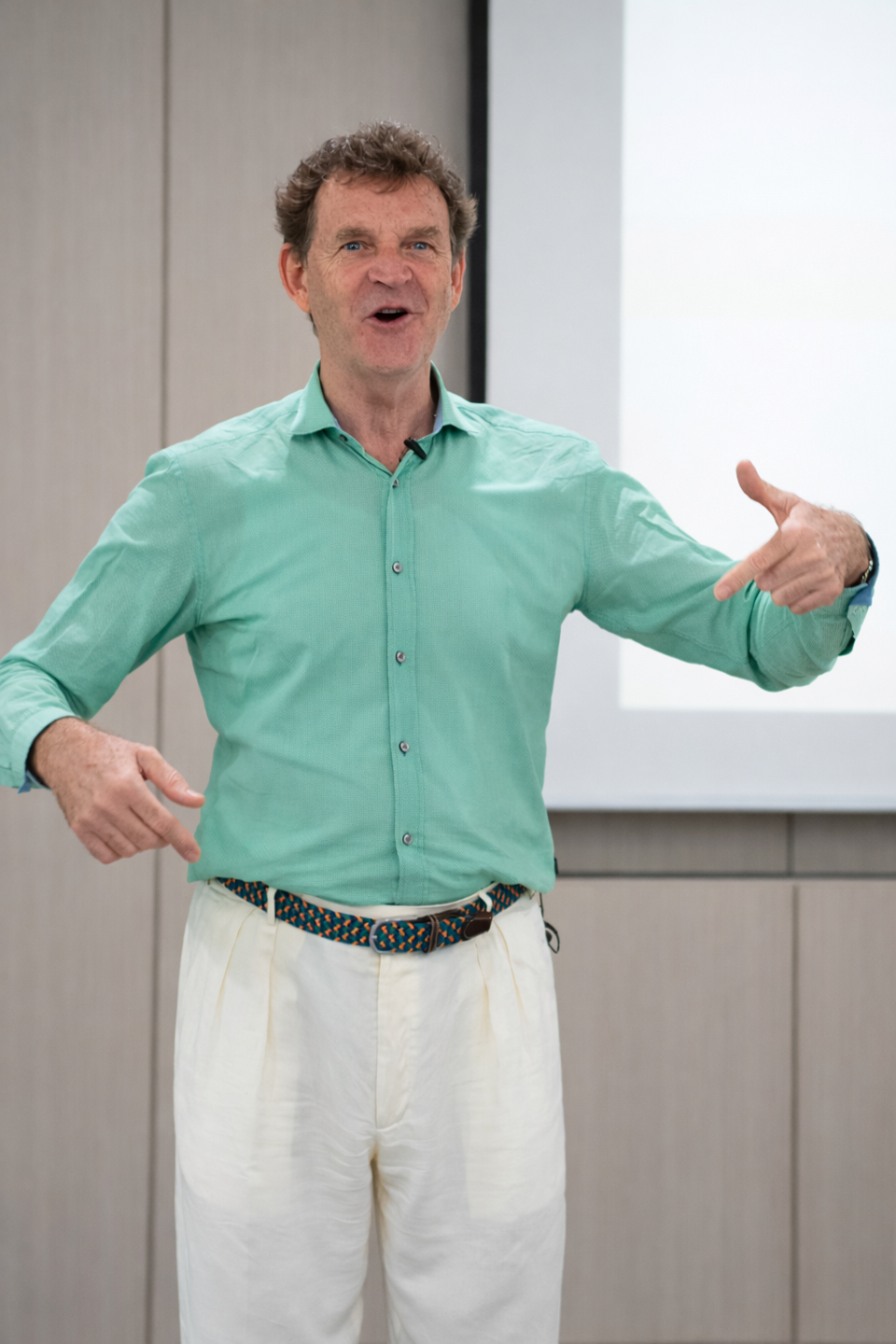
Voluntary movement
Your movement system is binary — there are two actions within each movement. The first action is about moving your arms, legs and torso to do what you want to do. This is what you train in Pilates. This is voluntary movement.
Postural movement
The second action is postural. Posture is not a fixed position; it is the way your whole body coordinates — automatically, behind the scenes — to support the exercise you are doing. This is postural movement. When you combine PILANDES with your Pilates practice, you are consciously including this second, fundamental layer of your movement system for the first time.
Postural movements happen automatically. We are normally not conscious of them. Usually, we don’t need to be aware. For example…
Stand quietly on both legs for a moment. If you pay close attention to the pressure on your feet, you will notice that you are not completely still — you are slowly swaying back and forth.
Are you consciously deciding to do those movements?
No. Postural movements happen without you thinking about them. We don’t instruct them. We rarely even notice them.
F. M. Alexander, the originator of the Alexander Technique, spent his life studying postural movements — and what happens when they go wrong.
PILANDES is built on Alexander’s discoveries.
So: how much do you know about your postural movements right now?
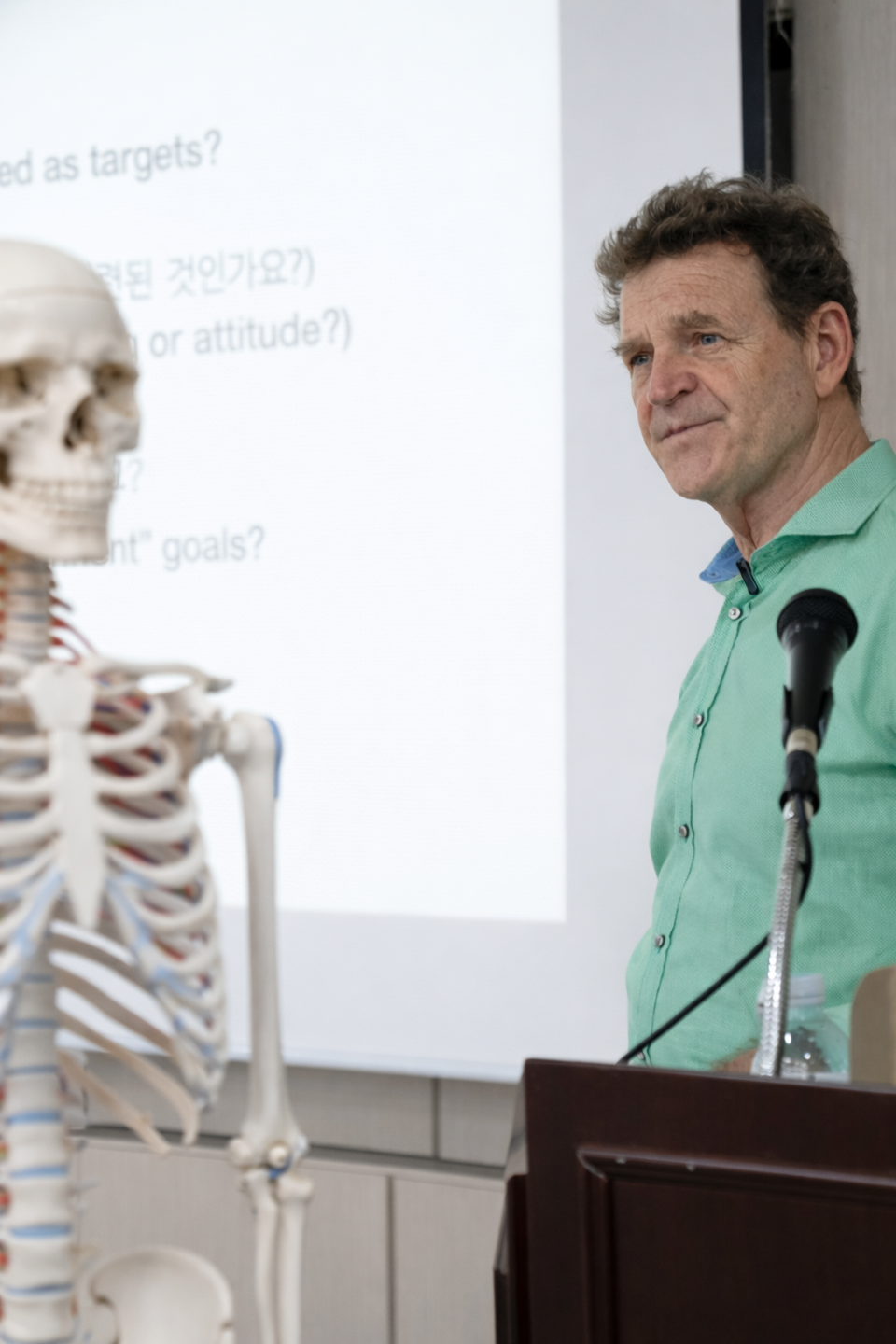
The easiest way to discover how postural movements influence Pilates is to join a PILANDES Trial with Jeremy in Tokyo or Osaka.
In a short, practical session, Jeremy will take you through one of the classic Pilates mat exercises and show you exactly what changes when PILANDES is applied. You will experience — in your own body — the pleasure, stamina and ease that comes when your postural movement system is working with you, not against you.